
Digital Product Passport (DPP) Readiness Guide
Understand the framework, systems, and data required to prepare for Digital Product Passport compliance.
The Digital Product Passport (DPP) is changing how organisations manage and share product information. It introduces a new way of structuring data that connects products, materials, and supply chains into a single, traceable system.
This guide provides a clear and practical framework to help you understand what DPP requires and how your organisation can begin preparing. It focuses on the “what” and “how” of DPP readiness, giving you a structured view of the key components involved.
What You’ll Learn
This guide is designed to give you a clear understanding of DPP without unnecessary complexity. Inside, you’ll learn:
- The key requirements behind Digital Product Passport regulations
- The core capabilities organisations need to achieve compliance
- How to organise and structure product and supply chain data
- The role of standards, traceability, and verification
- A practical framework to begin implementation
What is a Digital Product Passport?
A Digital Product Passport is a structured digital record that contains key information about a product throughout its lifecycle. This includes details such as where materials come from, how products are made, and how they meet regulatory requirements.
DPP is becoming a central part of emerging European regulations and will increasingly play a role in determining whether products can enter and remain in the market. Rather than being a single document, it is part of a connected system that allows information to be shared, verified, and updated over time.
From Reporting to Data Infrastructure
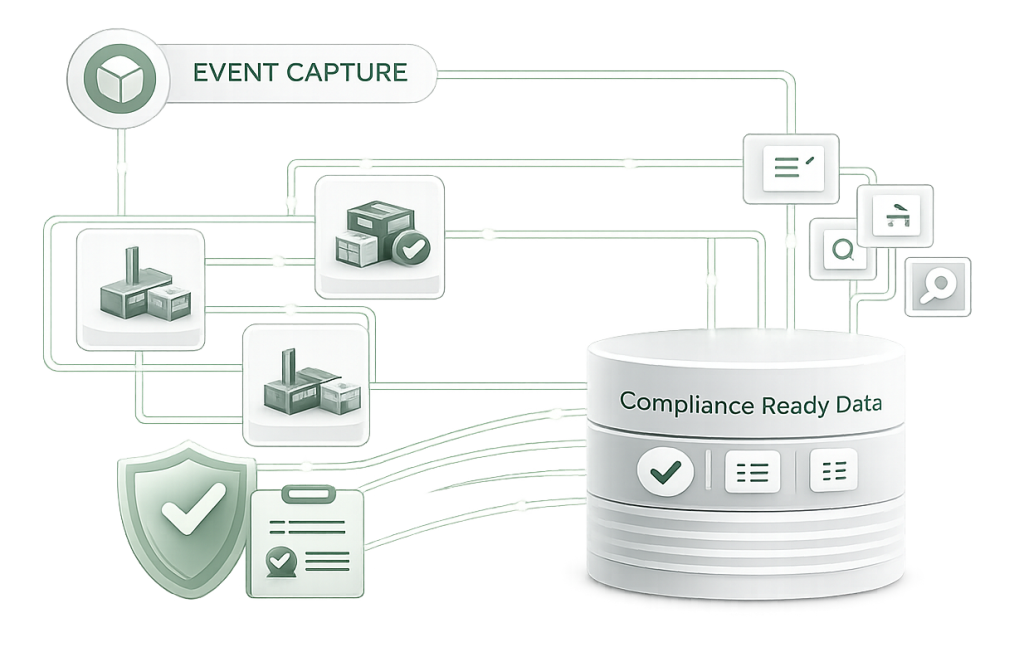
For many organisations, compliance has traditionally focused on reporting. DPP introduces a different approach. Instead of preparing reports when required, organisations need systems that can continuously manage and deliver structured data.
This shift means building capabilities that support:

Consistent and structured data across products

Systems that can connect and exchange information

Verified and trusted data sources

Ongoing compliance rather than one-time reporting
The Five Pillars of DPP Readiness
Preparing for DPP can be simplified into five core areas. These pillars provide a clear structure for understanding what needs to be in place.
1. Product Identity
Products need consistent identification across systems so information can be accurately linked and tracked.
2. Supply Chain Transparency
Visibility across suppliers and production stages is essential to understand how products are made.
3. Structured Data Systems
Data must be organised in a standardised way so it can be shared and understood across different platforms.
4. Verification & Data Integrity
Information needs to be reliable, validated, and supported by evidence where required.
5. Digital Product Passport Delivery
Organisations must be able to generate and provide product-level digital records when needed.
Where Organisations Typically Struggle
Data spread across multiple systems with no central structure
Limited visibility beyond direct suppliers
Inconsistent or non-standardised data formats
Lack of clear processes for verification and validation
Identifying these gaps early makes it easier to prioritise improvements and move toward readiness.
How EcoFabric Trace™ Supports DPP Readiness
EcoFabric Trace™ provides a structured approach to preparing for DPP compliance.
It brings together the key elements required to support a connected and reliable data environment, including:
Alignment with GS1 data standards
End-to-end supply chain traceability
Verification-backed data processes
Infrastructure to support Digital Product Passport delivery
What to Do Next
1. Review your current data systems and identify gaps
2. Map your supply chain beyond direct suppliers
3. Align your data with recognised standards such as GS1
4. Introduce processes for verification and validation
5. Prepare systems to support Digital Product Passport requirements
Start Preparing for DPP Compliance
Take the next step toward structured, compliant, and future-ready product data systems with EcoFabric Trace™.